%20(1)_edited.jpg)


Ancestral Altars: Meaning, Purpose, and How to Create One at Home
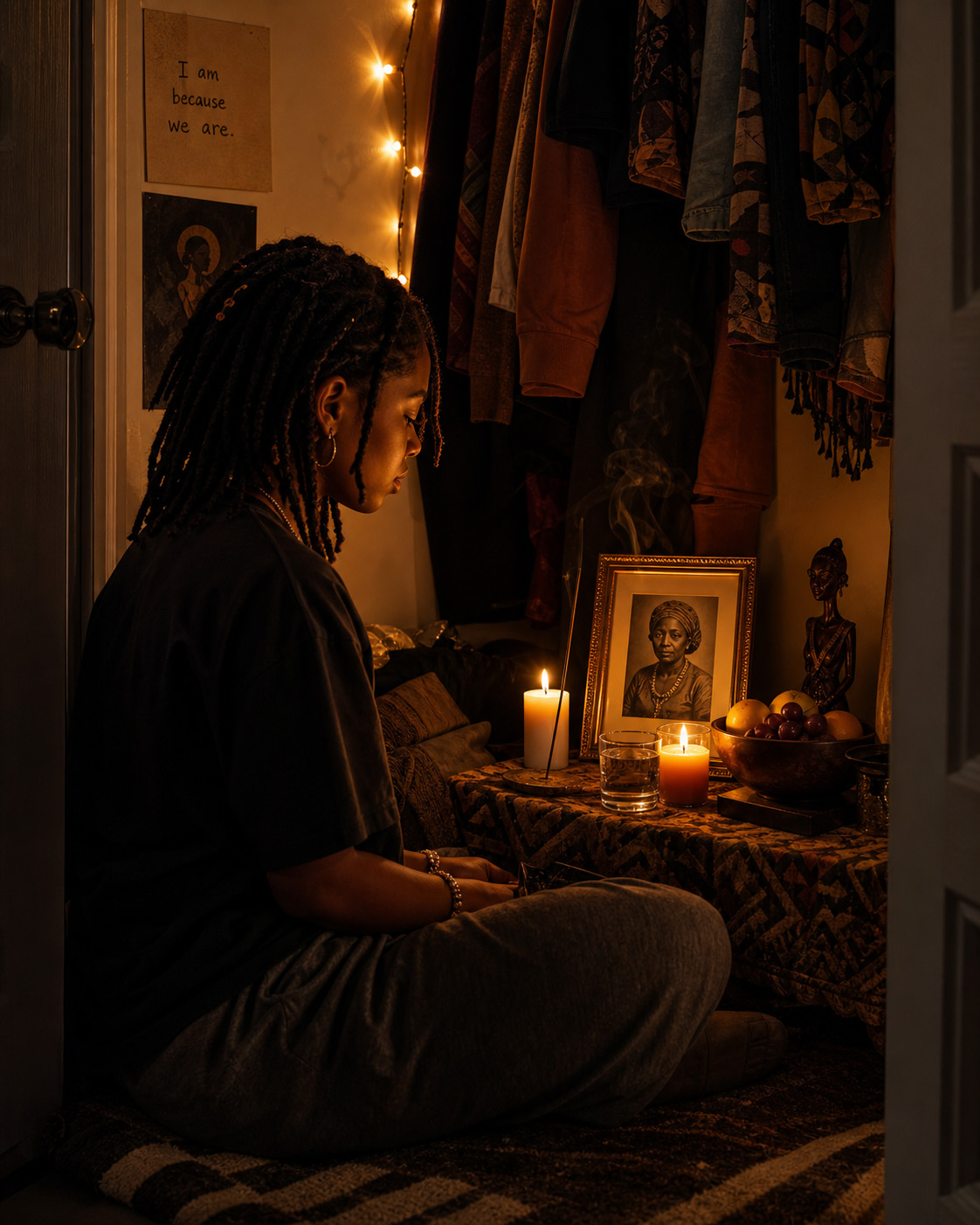

An ancestral altar is more than just a decorative space—it’s a sacred bridge between you and the generations who came before you. Across cultures and throughout history, people have honored their ancestors through dedicated shrines, offering them a place to receive love, remembrance, and spiritual support.
If your spirit has been guiding you toward this practice, it’s worth exploring why ancestral altars are so important, what they’re used for, and how you can create one in your own home.
Why Create an Ancestral Altar?
Before working with deities, angels, or other spiritual beings, it’s wise to first connect with your ancestors. They walked this Earth, shared your bloodline, and possess a deep understanding of the human experience in ways other spiritual entities may not.
Many people who feel drawn to metaphysics or spiritual work—often are “black sheep” of their families. The “black sheep” tend to be the person in families who question the lack of normalcy of family practices, such as gossiping, talking behind each other’s backs, family drama, and other toxic or narcissistic behaviors based on an identified generational pattern. These specific outcasted family members find that their ancestors become powerful allies once honored properly.
Here are some key reasons to start with an ancestral altar:
Bloodline Connection – Your ancestors are tied to you by lineage, making their guidance deeply personal and relevant.
Spiritual Support – Honoring them can help them progress spiritually, especially if they are “earthbound” and haven’t fully moved on from this realm.
Energy Balance is incredibly important and always keep in mind, it’s better for your ancestors to feed off the altar than to feed off you. Essentially, providing offerings gives them a source of energy so they don’t draw from your aura.
Mutual Aid – Once cared for, ancestors can assist you—whether it’s opening doors for career opportunities, inspiring creativity, assisting in manifestations, or offering spiritual protection.
What an Ancestral Altar Is Used For?
An ancestral altar serves as:
A Spiritual Feeding Place – A space where your ancestors can receive offerings such as food, drink, or symbolic material items they enjoyed during their life as a human.
A Communication Portal – A focal point for prayers, petitions, and conversations with your ancestors.
A Healing Space – A way to help ancestors release earthly attachments and move toward the light.
A Power Source – A place to strengthen your spiritual work by calling on the wisdom and experience of those who came before you.
Steps to Create an Ancestral Altar at Home

Creating an altar doesn’t require elaborate tools—what matters most is intention and consistency. Here’s a step-by-step guide:
1. Choosing the most divine location is necessary. Be sure to select a quiet, respectful space in your home.
Avoid placing the altar in bathrooms, in areas of the house where a lot of visitors will be near the altar, nor setting up directly on the floor.
A small wooden/bamboo table, shelf, or dedicated corner works well. The use of a natural element produced table or shelf is highly suggested
2. Cleanse the selected space — physically cleaning the area by dusting, vacuuming or sweeping, and wiping down the table to be used for your altar. Also, spiritually cleanse it with incense, sage, Florida water, or prayer to set the tone.
3. Gather Key Items to create your ancestor altar. Finding photographs of deceased family members is pivotal in properly honoring ancestors on the other side who can provide aid and guidance. Candles (white for purity, or other colors with specific intentions). Other candles such as green for money manifestations and pink for attracting love to name a few. Offerings such as food, drinks, cigarettes, liquor are powerful, or other items your ancestors enjoyed. Water to refresh and nourish their spirits, specifically full moon water really can energetically charge your ancestor altar for potent spiritual work. Don’t forget natural elements such as live plants and flowers, herbs, or crystals for added energy.
4. Arrange the Altar by placing photos in wooden or metal frames at the center or back of the altar space. Next, position candles and offerings in front. Always remember to keep the setup neat and intentional.
5. Make Regular Offerings either daily or weekly. Be mindful to refresh food and water regularly to aid manifestations and divination work to fuel best results. Light candles during prayer or meditation. Speak to your ancestors, share your gratitude, ask for guidance, or simply update them on your life.
6. Maintain the energetic connection by visiting the altar often, even briefly. Replace offerings before they spoil. Lastly, keep the space clean and energetically vibrant, and the best day of the week to cleanse and refresh your altar is on Sundays.
Final Thoughts
An ancestral altar is not just a spiritual tool—it’s a living relationship. By giving your ancestors, a place to receive energy and honor, you create a reciprocal bond. They, in turn, can help guide, protect, and inspire you in ways that are uniquely aligned with your life path. If you feel called to this practice, trust that nudge. Start small, be consistent, and watch how the connection deepens over time.


Comments